IT
Nvidia shares slump 12.5% as board probes CEO's alleged spy affair
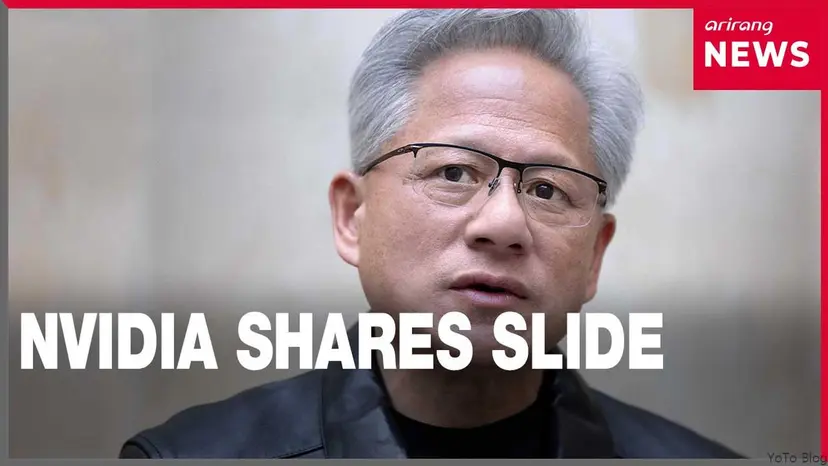
US artificial intelligence chipmaker Nvidia is grappling with a 12.5% share slump and 56% volatility as its board moves to investigate allegations surrounding CEO Jensen Huang. Huang admitted to a relationship with a figure suspected of ties to China's Ministry of State Security, prompting concerns over corporate secrecy and national security risk.
Nvidia's board said it would independently probe the matter involving Huang. In a statement, Huang acknowledged being unfaithful to his wife and apologized for the hurt he caused, while insisting the private matter is unrelated to the company's business and that the board maintains its support for his leadership.
Shares fell 12.5% on the day and showed 56% volatility over the past week. Fears that a relationship linked to China's Ministry of State Security could lead to a leak of secrets, combined with growing political pressure on AI investment, are leaving Nvidia under double pressure from its board and the market.
Nvidia AI Day Seoul tests Korea's physical-AI ambitions in robotics, mobility and medical care

Nvidia held 'AI Day Seoul' in the South Korean capital, pushing forward a new field it calls 'physical AI'. The event moved beyond simple language-model demos to present the vision of next-generation artificial intelligence expanding into robotics, autonomous mobility, and medical care.
Three areas drew the most attention. First, technology that makes robots intelligent and deploys them in real manufacturing and logistics sites. Second, autonomous mobility that links vehicles and urban and industrial sites with intelligence, going beyond self-driving cars. Third, medical AI that extends from diagnostic support to treatment planning.
South Korea's government is pushing to spread AI across industry and to secure a place in the global supply chain. Yet for physical AI to move from proof-of-concept to commercial use, it needs energy, data, and talent in place, and the key question is how quickly the country can close the technology gap with advanced economies such as the US and Japan.
AI is reshaping medicine, from diagnostic support to treatment planning

Artificial intelligence is expanding medicine from diagnostic support to treatment planning. As it becomes a tool that helps clinical decision-making, the paradigm in medical care is shifting.
AI analyzes large volumes of medical images and electronic health records rapidly to support the early detection of diseases such as cancer. At the same time, it suggests tailored treatment plans based on a patient's genetic data and medical history, and helps predict side effects and adverse reactions to drugs.
However, AI does not replace a physician's final judgment. It is expected to take hold as an assistive tool that boosts accuracy in combination with a doctor's expertise. How thoroughly the quality of data and the ethical and legal standards are established will determine how widely it spreads.
Politics
President Lee orders a response framework after the US midterms
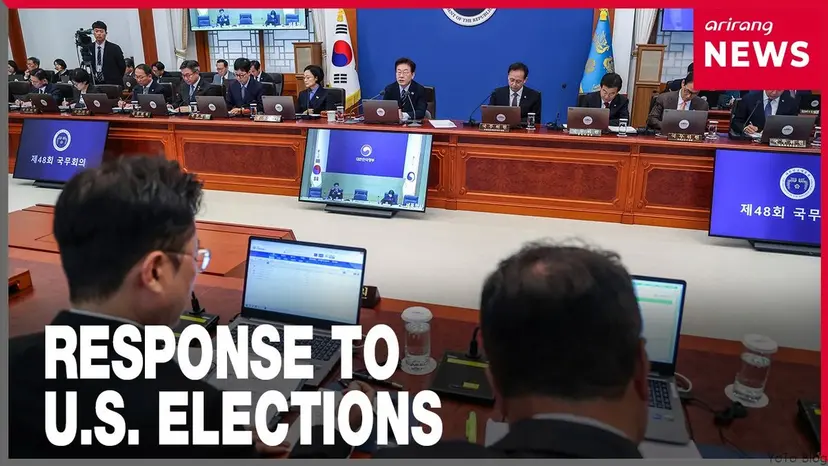
President Lee Jae-myung has ordered the government to move proactively in response to the domestic and international situation following the US midterms. As the Democratic Party's sweep of both the House and Senate has increased the impact on US-Korea relations and domestic politics, the government is reviewing its policy and diplomatic lines.
The president has ordered checks of communication channels with the new US Congress across foreign affairs, security, economy, and trade, as well as the preparation of scenarios to prepare for changes. He has also ordered ongoing monitoring of the impact the shift in the US political landscape may have on Korea's economy and security.
The Democratic victory is cited as a variable that could shift US policy directions, including tighter regulation of AI data centers and tougher China sanctions, with spillover effects for Korea's economy and diplomacy. The government will work to respond through its diplomatic and trade channels, maintaining contact with key figures in the US.
Kim Yo-jong slams UN Secretary-General over Korean Peninsula tensions
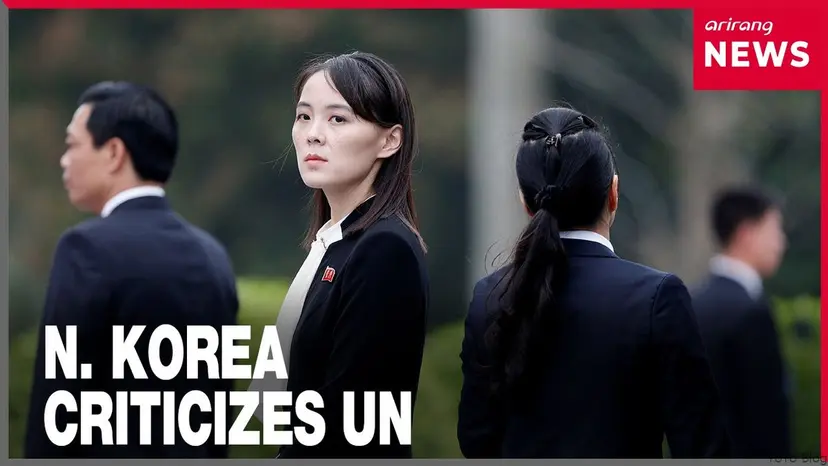
Kim Yo-jong, the First Deputy Secretary of the North Korean Workers' Party, has sharply criticized the UN Secretary-General for what she called a stance that stokes 'Korean Peninsula tensions'. She delivered a strong critique of the US-Japan-South Korea trilateral coordination and the UN's approach to North Korea.
Kim said the root cause of 'Korean Peninsula tensions' lies in the US's hostile policy and the military interference of neighboring major powers, and she condemned the UN for being indifferent to, or even fanning, the situation. She in particular criticized the US-Japan-South Korea trilateral coordination for undermining regional stability.
North Korea has repeatedly reacted strongly to the recent expansion of US-Japan-South Korea military cooperation and joint drills. Kim's latest remarks reaffirm North Korea's hardline stance toward the international community, including the UN, and are expected to affect the Korean Peninsula situation ahead.
Cabinet approves motion to extend Cheonghae Unit deployment
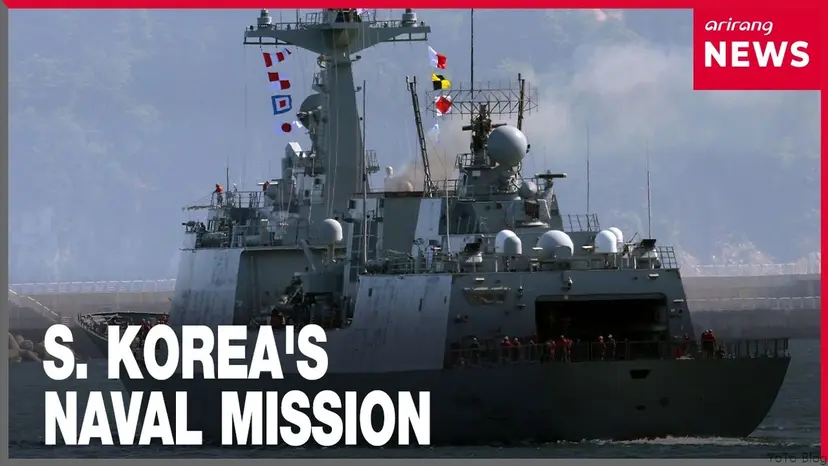
At a State Council meeting chaired by President Lee, the government approved a motion to extend the deployment of the Cheonghae Unit (KNS-66 Chunmugong). It is seen as a measure to stabilize domestic logistics and energy supplies amid the security situation in the Middle East, centered on the Strait of Hormuz.
The Cheonghae Unit has carried out missions to protect the safety of Korean vessels in major sea lanes such as the Gulf of Aden and the Strait of Hormuz. As tensions in the Middle East and threats of piracy have continued, the extension of the deployment has been discussed.
Along with the extension, the government is reviewing follow-up measures to protect the safety of Korean vessels and energy and logistics supply chains in case of emergency. The foreign affairs and defense ministries will focus on strengthening a standing response system in line with the Middle East situation.
Economy
Korean chip stocks rebound amid US political shift, but can gains last?
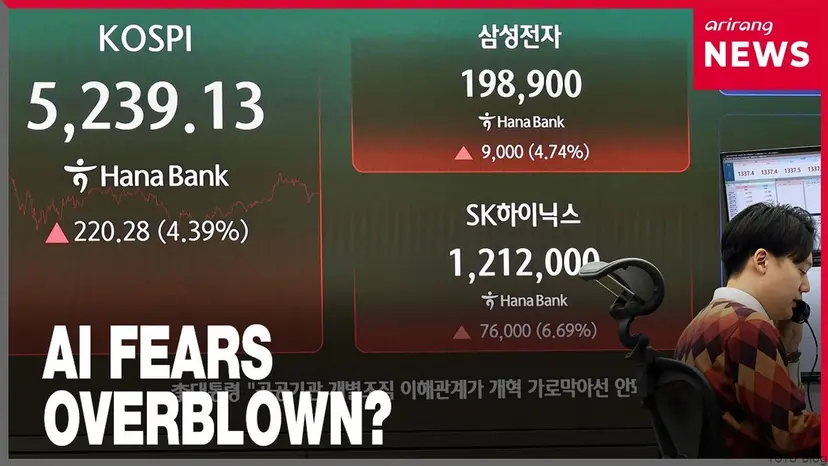
Following the US midterms, the Korean stock market has mixed results. As the market watches how the shift in the US political landscape affects tech stocks such as chipmakers, large chip stocks including Samsung Electronics and SK hynix saw a temporary rebound.
With the Democratic victory raising the prospect of tighter regulation on AI data centers in the US, some worry about investor sentiment, but it has acted as short-term rebound material. Yet the sustainability of the gains is uncertain while the direction of regulation remains unclear.
The market is watching whether the rebound in Korean chip stocks reflects a temporary shift in investor sentiment or a signal of a structural recovery. The direction of US policy and the flow of the global supply chain are the key points to watch.
Korea's top 10 exporters hit a record share of Q3 exports
The export share of Korea's top 10 exporters hit a record high in the third quarter, showing that exports are becoming more concentrated in large companies.
As the share of major manufacturers in key industries such as semiconductors and automobiles has grown in the global supply chain, the ratio of the top 10 companies' exports to the total reached an all-time high.
While the shift to larger exporters offers advantages in efficiency and competitiveness, the export conditions of small and mid-sized firms may deteriorate. The government has decided to reduce the structural imbalance by diversifying exports and strengthening support for small and mid-sized firms.
Suncheon pivots from eco-city to future economic city to grow the regional economy
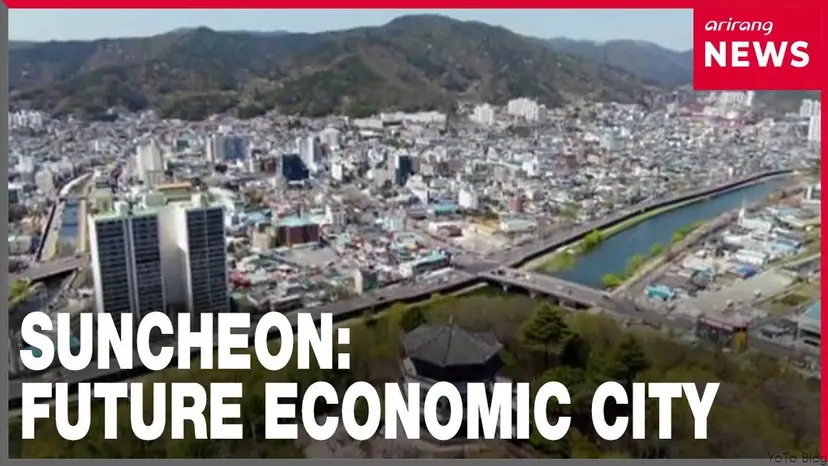
Suncheon City in South Jeonnam Province is accelerating its shift from an 'eco-city' to a 'future economic city'. It is pursuing a strategy that links industry, talent, and tourism to grow the regional economy and build Suncheon's distinctive competitiveness.
Suncheon is designing an industrial structure that builds on its existing strengths, including Suncheon Bay eco-tourism, energy, and biotech. The plan is to secure a new driver for the local economy by drawing in young people and supporting the growth of local firms.
Given that most local cities face depopulation and aging, Suncheon's challenge lies in turning industry and tourism into real revenue and jobs, which requires infrastructure and linkages. Suncheon's effort is drawing attention as a model for balanced regional development.
Society
Who protects those who protect us? The challenges firefighters face in Korea

Firefighters who protect the public in the face of fires and disasters. Yet the risks and burdens facing firefighters themselves keep growing. As the number of rescue and emergency medical calls rises, and as large fires and disasters become more complex, the physical and safety burdens on firefighters are intensifying.
Experts point to short staff on the ground, long working hours, and psychological stress as the key problems. To protect firefighters' health and safety, they recommend bolstering personnel, upgrading equipment, and setting up a psychological support system.
President Lee recently pledged to improve the working conditions of firefighters and secure a stable support base. How to protect the safety of the firefighters who protect the public will be a task ahead.
A 90-year-old Japanese photographer who spent 60 years documenting Korea's history
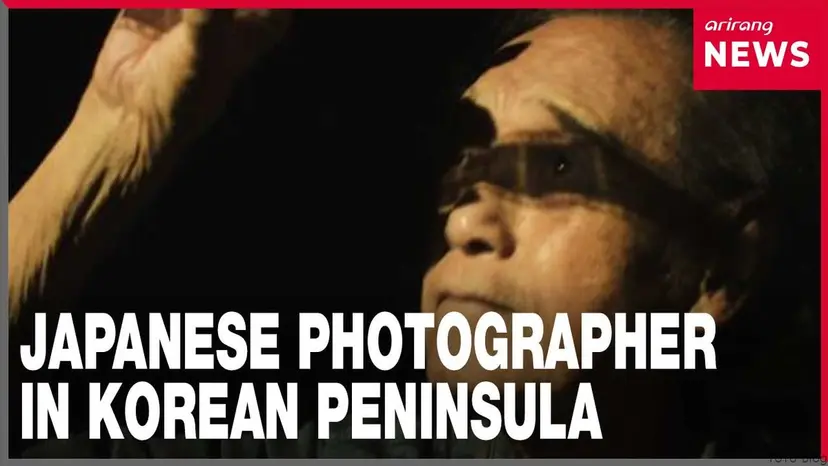
A 90-year-old Japanese photographer has captured the changes in Korea over more than 60 years. His work, which records the key moments of Korea's modern history, from the colonial period to the division, industrialization, and democratization, is drawing attention.
Since first visiting Korea in the 1960s, the photographer has stayed on the ground, leaving behind the scars of war and the changes in society through his camera. His work has also served as a bridge for empathy and dialogue between the two countries.
The power of photography that connects two countries is great. Even amid historical friction between Korea and Japan, the message is that an individual's record can lay the groundwork for coexistence.
[K-Sports] Samsung Lions win first Korean Series title in 12 years

The Samsung Lions won their first Korean Series title in 12 years at the KBO championship. They beat their rival in the championship series and reached the top amid the fervor of their fans.
The Samsung Lions led the title race all season with a stable lineup and a reliable starting rotation. In the Korean Series, they held their nerve in close moments and completed the team's championship.
The Lions' title is their first in 12 years. The club and its fans attach great meaning to reaching the top after a long wait, and they aim for a resurgence in the next season.
World
US, Russia, and Ukraine hold trilateral talks in Abu Dhabi: what to expect
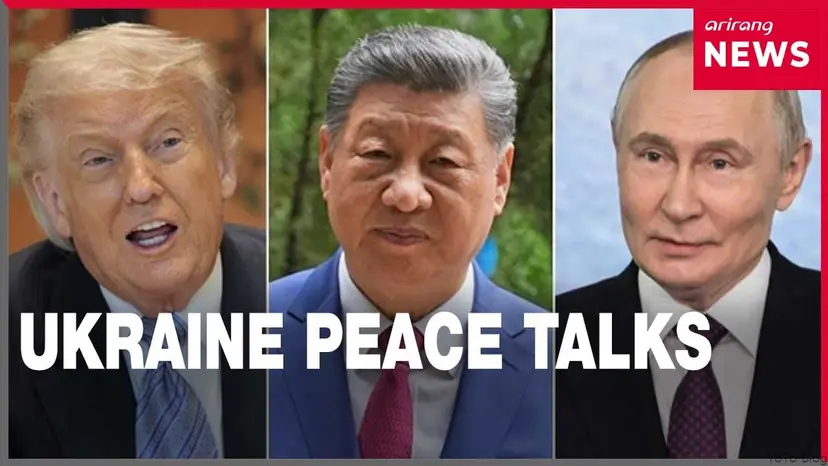
The US, Russia, and Ukraine are holding a trilateral meeting in Abu Dhabi to formally begin peace negotiations to end the war in Ukraine. As the two sides' positions diverge, whether a compromise can be reached is drawing global attention.
The key issues on the table are the territorial question, NATO membership, and security guarantees. Russia demands that Ukraine cede territory and remain neutral, while Ukraine insists on safeguarding its sovereignty and security.
The US plans to mediate and keep the momentum of peace negotiations. Yet with the fundamental gaps between the two sides still remaining, analysts expect the result to take the form of a phased ceasefire or a set of complementary arrangements rather than a short-term agreement.
A steel plant blast kills 17 in western Turkiye: a repeated safety failure
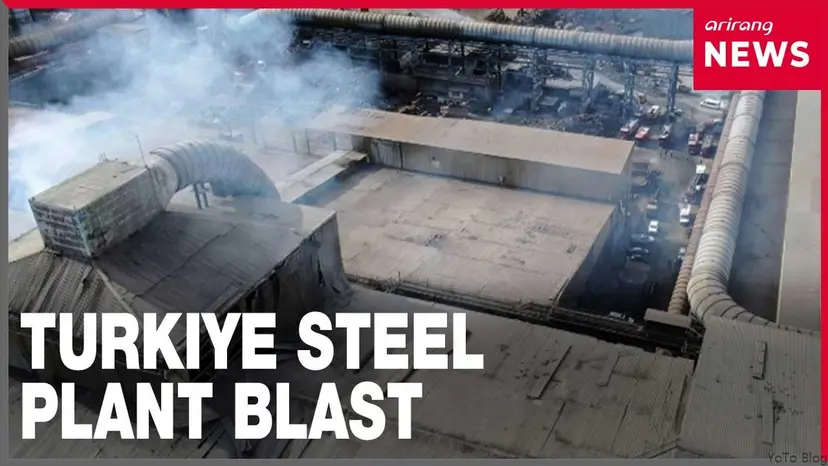
A blast at a steel plant in western Turkiye killed 17 people. Rescue teams were sent to the scene immediately after the accident, but the explosion and flames caused a large number of casualties.
Local authorities are investigating the exact cause of the accident. Given the high-temperature, high-pressure nature of steel processing, safety management is crucial; this incident has once again brought the issue of repeated industrial safety failures to the surface.
Turkiye has suffered repeated safety accidents during its industrialization, with loss of life. The disaster is expected to prompt a fresh look at the need for safety standards and oversight in industrial sites.
France blames Iran for supermarket refrigerator hacks across Europe
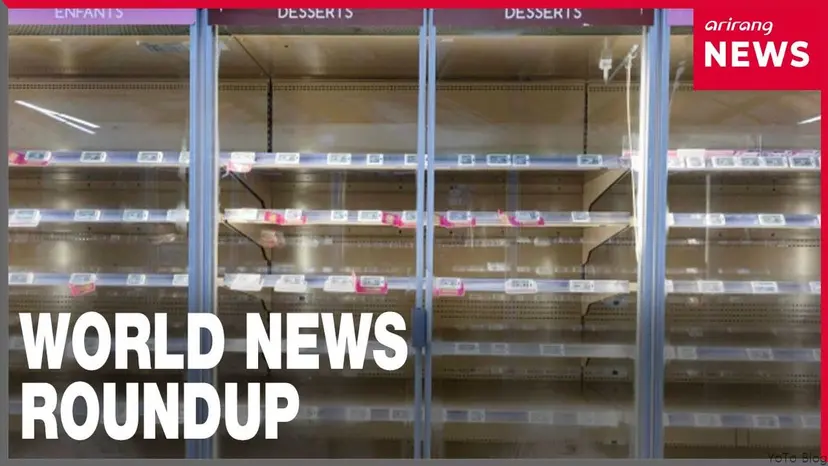
France has blamed Iran for the cyberattack that targeted supermarket refrigerators across seven European countries. The attack manipulated refrigeration equipment, spoiling large amounts of food, and French authorities hinted at Iranian involvement.
The attack is one in a growing global wave of cyberattacks targeting vital infrastructure. The US has warned about attacks targeting water systems, banks, and blood-storage sites.
It is unclear whether the attack came from a state or from organized cybercriminals. However, the response may differ depending on whether AI was used and the nature of the attack, and experts say international cooperation is needed.
Culture
ILLIT scores first Billboard 200 top 10 with 'BREAK EVEN' at No. 6

K-pop group ILLIT has entered the top 10 of the US Billboard 200 chart for the first time with their new song 'BREAK EVEN'. The group reached No. 6, once again proving the global influence of K-pop.
Since debuting in 2025, ILLIT has stood out on the charts with 'Magnetic' and 'Confetti'. The new 'BREAK EVEN' has further solidified the group's position in the US market, marking the top-10 achievement.
K-pop is strengthening its competitiveness in the global market, centered on the US. ILLIT's success is expected to set a good precedent for following K-pop artists.
Hanji: Korean traditional paper crafted to last a thousand years
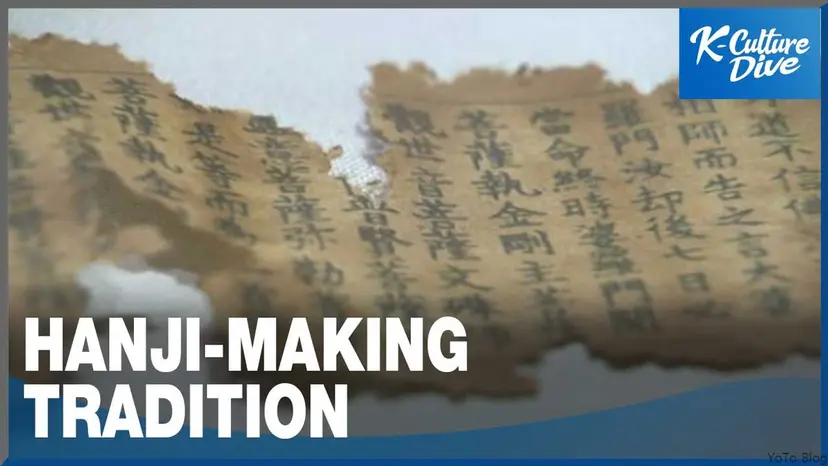
Hanji is a traditional Korean paper that has lasted more than a thousand years. Since its inscription as a UNESCO Intangible Cultural Heritage in 2001, it is still born at the hands of artisans who can adjust its pattern, color, and strength.
Hanji is made from a variety of materials such as mulberry, hemp, and bamboo, and its use varies with its thickness, color, and strength. It is used in books, craft, architecture, and art.
Hanji requires the skill and time of artisans, but the value of keeping that tradition is seen as a universal strength of Korean culture. Today, the beauty of hanji is being re-examined in the fields of design and craft.
Korean kidswear goes viral at Seoul's Namdaemun Market
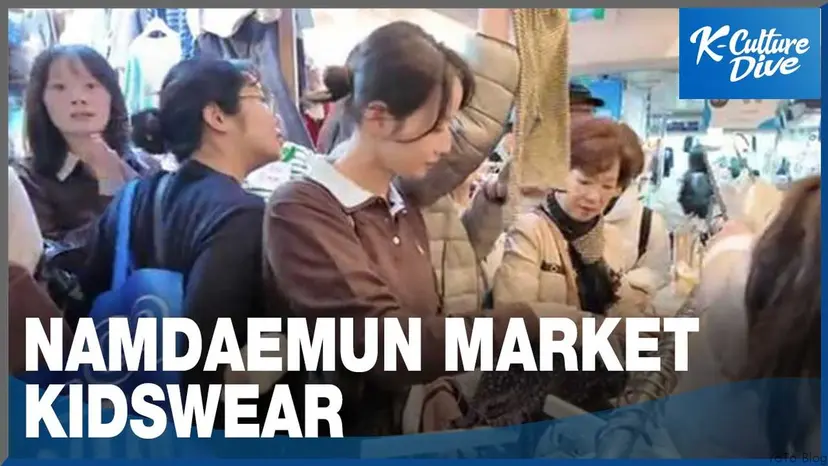
Korean children's clothing (K-kidswear) from Seoul's Namdaemun Market is going viral around the world. The combination of design, quality, and price competitiveness has drawn growing interest from overseas buyers.
Namdaemun's K-kidswear combines the craft of traditional workshops with the latest fashion, offering sophisticated designs for children. It is spreading rapidly through overseas online platforms and social media.
The success of K-kidswear is the result of Korea's manufacturing and design capabilities combined with online distribution channels. The position of Korean-made products is expected to grow further in the children's clothing sector.